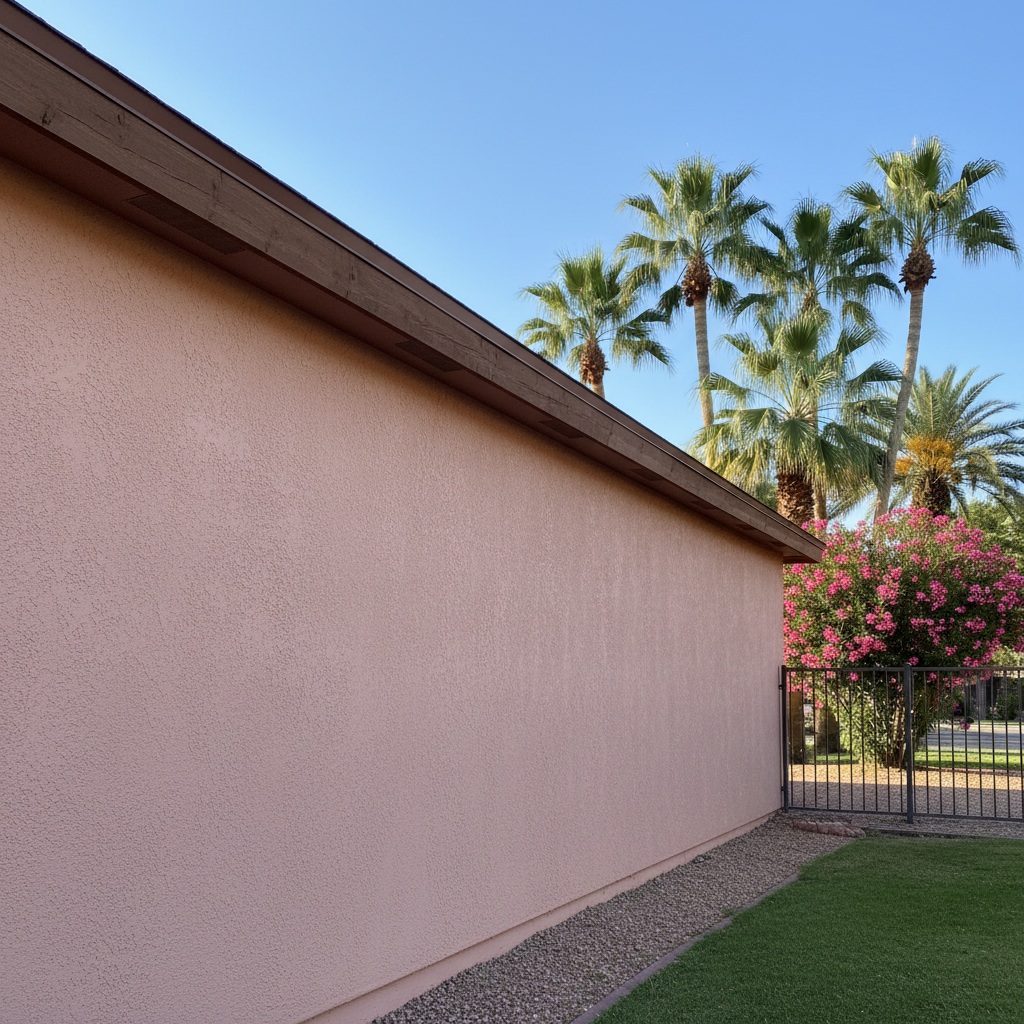
Running a business in Las Vegas means you've got a lot on your plate. The last thing you need is your building's exterior falling apart, right? Stucco is a fantastic choice for commercial properties here – it’s durable, looks good, and handles our crazy heat pretty well. But 'pretty well' doesn't mean 'maintenance-free.' If you want to get the most out of your commercial stucco, you've got to give it a little love. I’m talking about extending its life, not just patching up problems when they pop up.
Regular Maintenance: Your Stucco's Best Friend
Think of your stucco like your car. You wouldn't skip oil changes and expect it to run forever. Same goes for your building's skin. The biggest thing you can do for commercial stucco in a place like Las Vegas is keep it clean. Our desert environment means dust, dirt, and even some of that fine red soil from the surrounding mountains gets kicked up constantly. That stuff settles on your walls, and over time, it can degrade the finish and even hold moisture against the surface.
A good, gentle wash once or twice a year is usually all it takes. You can use a low-pressure power washer – and I mean low pressure, like what you’d use to wash your car, not strip paint. Or just a garden hose with a soft brush and some mild detergent. Make sure you rinse thoroughly to avoid leaving any soap residue. Pay extra attention to areas under eaves or near landscaping where dirt might accumulate more. This simple step prevents buildup and keeps your building looking professional.
Beyond cleaning, do a visual inspection regularly. Walk around your building, maybe once a quarter. Look at the corners, around windows and doors, and at the base of the walls. These are often the first places issues show up.
Warning Signs You Can't Ignore
When you're doing those walk-arounds, you're looking for specific things. These aren't just cosmetic flaws; they're often indicators of bigger problems brewing beneath the surface. Ignoring them is like ignoring a check engine light – it’s going to cost you more down the road.
- Cracks: Not all cracks are bad, but you need to know the difference. Hairline cracks, especially around windows or doors, are pretty common with our temperature swings. But if you see cracks that are wider than a credit card, or if they’re spider-webbing across a large area, that's a red flag. Vertical cracks can indicate settling, while horizontal ones might point to structural movement.
- Discoloration or Stains: Dark streaks, especially under windows or near the roofline, often mean water is getting in somewhere it shouldn't. Green or black spots could be mold or mildew, which means constant moisture. This is a big deal in stucco because water intrusion can lead to rot in the underlying structure, even if it's just wood framing.
- Bulging or Soft Spots: If you press on the stucco and it feels soft, or if you see areas that look like they're bulging outwards, that's almost always a sign of water damage behind the stucco. The substrate is likely compromised.
- Flaking or Peeling Paint/Finish: If the top coat or paint is flaking off, it could be a sign of poor adhesion from the start, or it could be moisture trying to escape from behind the wall.
- Efflorescence: This looks like a white, powdery substance on the surface. It's mineral salts leaching out from the stucco or masonry behind it. It's usually a sign of water moving through the wall.
When to Call a Professional (Like Aim High Stucco Solutions)
Look, I'm all for DIY when it makes sense, but some things are just better left to the pros. When you spot any of those warning signs I just mentioned, especially anything involving significant cracking, bulging, or persistent water stains, that's your cue to pick up the phone. Don't wait. A small problem caught early is a much cheaper fix than a major repair down the line.
Here’s why you need a specialist:
- Water Intrusion Expertise: We don't just patch the stucco; we find out why the water is getting in. It could be a flashing issue, a roof problem, or even a plumbing leak. Just covering it up won't solve anything.
- Proper Materials and Techniques: Stucco repair isn't a one-size-fits-all job. There are different types of stucco systems, and using the wrong materials or application methods can make things worse. We know what works best for our climate and for your specific stucco system.
- Safety: Commercial buildings often mean working at heights, and that requires proper equipment and safety protocols.
- Long-Term Solutions: When Aim High Stucco Solutions handles a repair, we're focused on making sure it lasts. We'll assess the damage, explain your options, and execute a repair that integrates seamlessly with your existing stucco, giving you peace of mind.
Your commercial property is a huge investment. Taking care of its stucco exterior isn't just about curb appeal; it's about protecting that investment from our harsh desert elements and maintaining its structural integrity. A little proactive maintenance and knowing when to call in the experts will save you a lot of headaches and money in the long run.